Genomics LIMS and NGS Lab Software for Next-Generation Sequencing Workflows
Purpose-built genomics LIMS for NGS labs, managing workflows from sample intake to sequence delivery with sequencing integrations, full traceability and support for ISO/IEC 17025-aligned workflows.
NGS LIMS Configured Around Sample, Library, Run and Analysis States
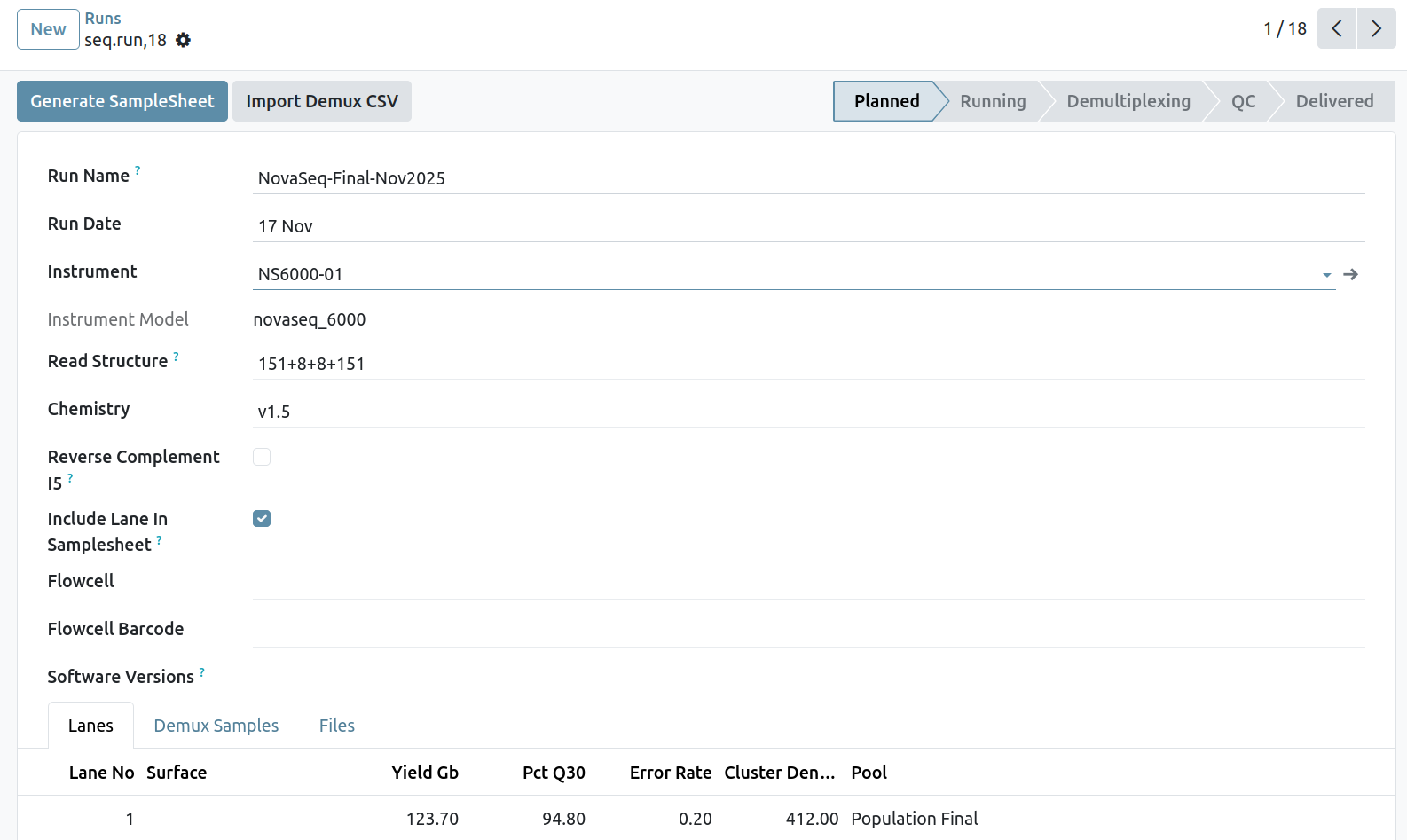
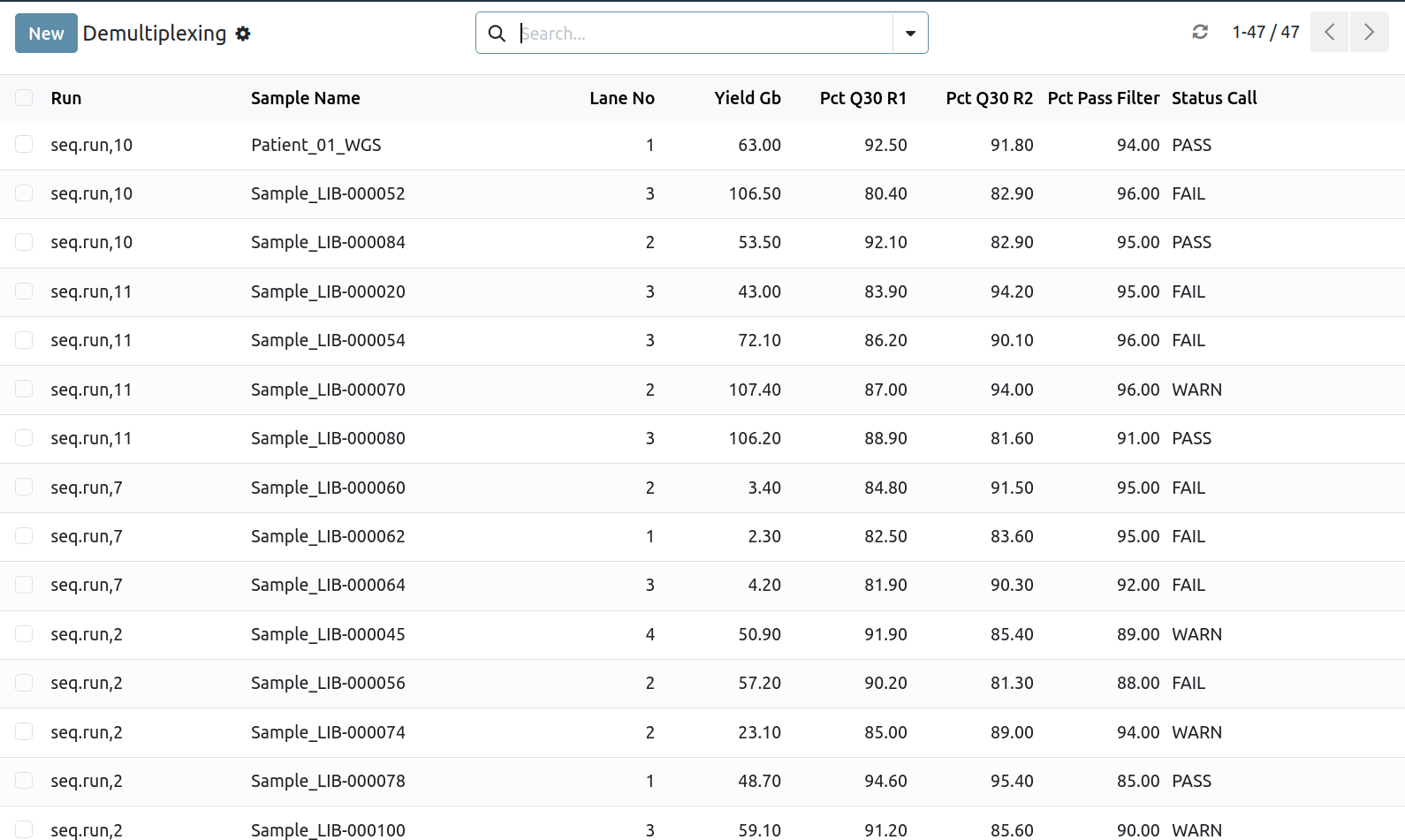
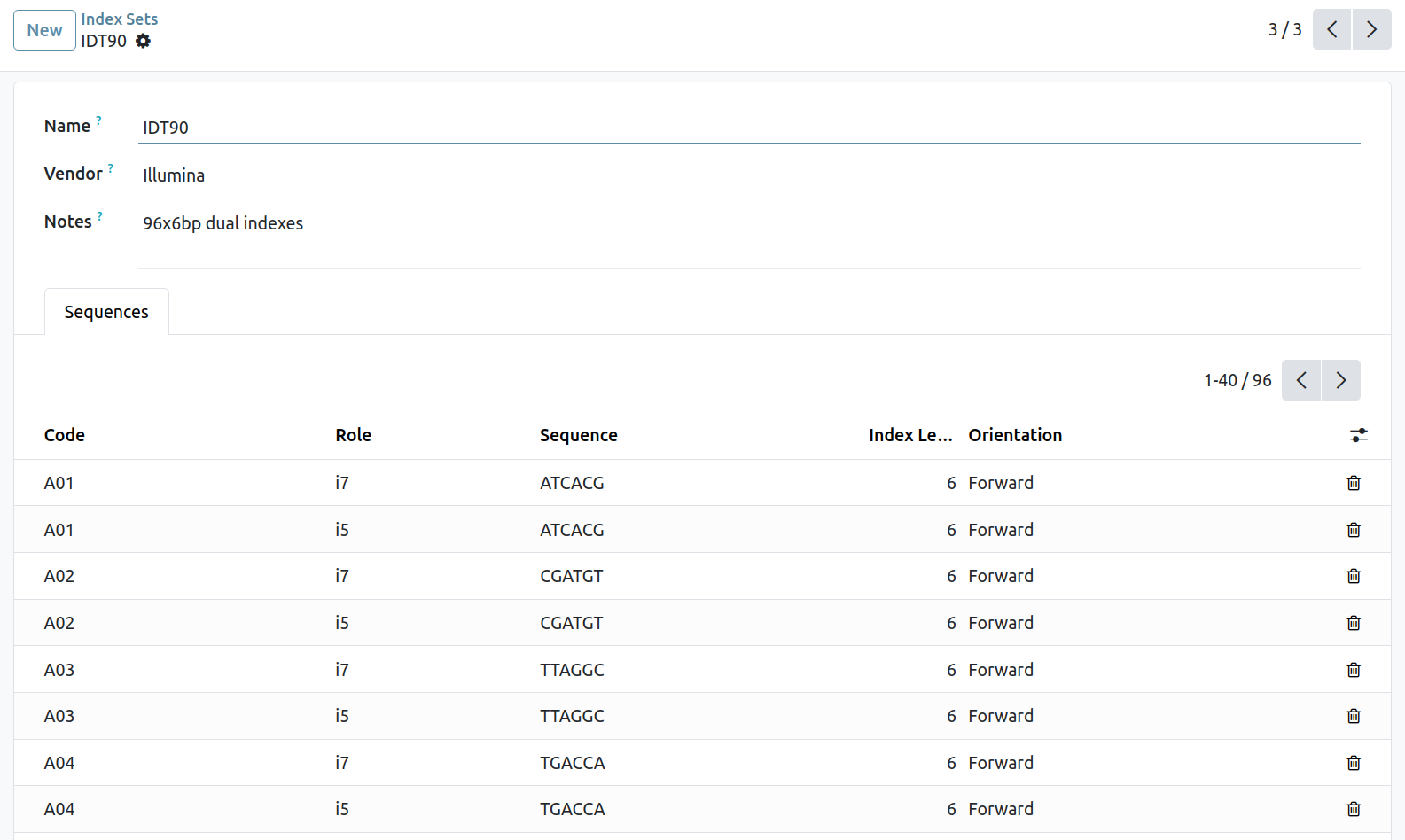
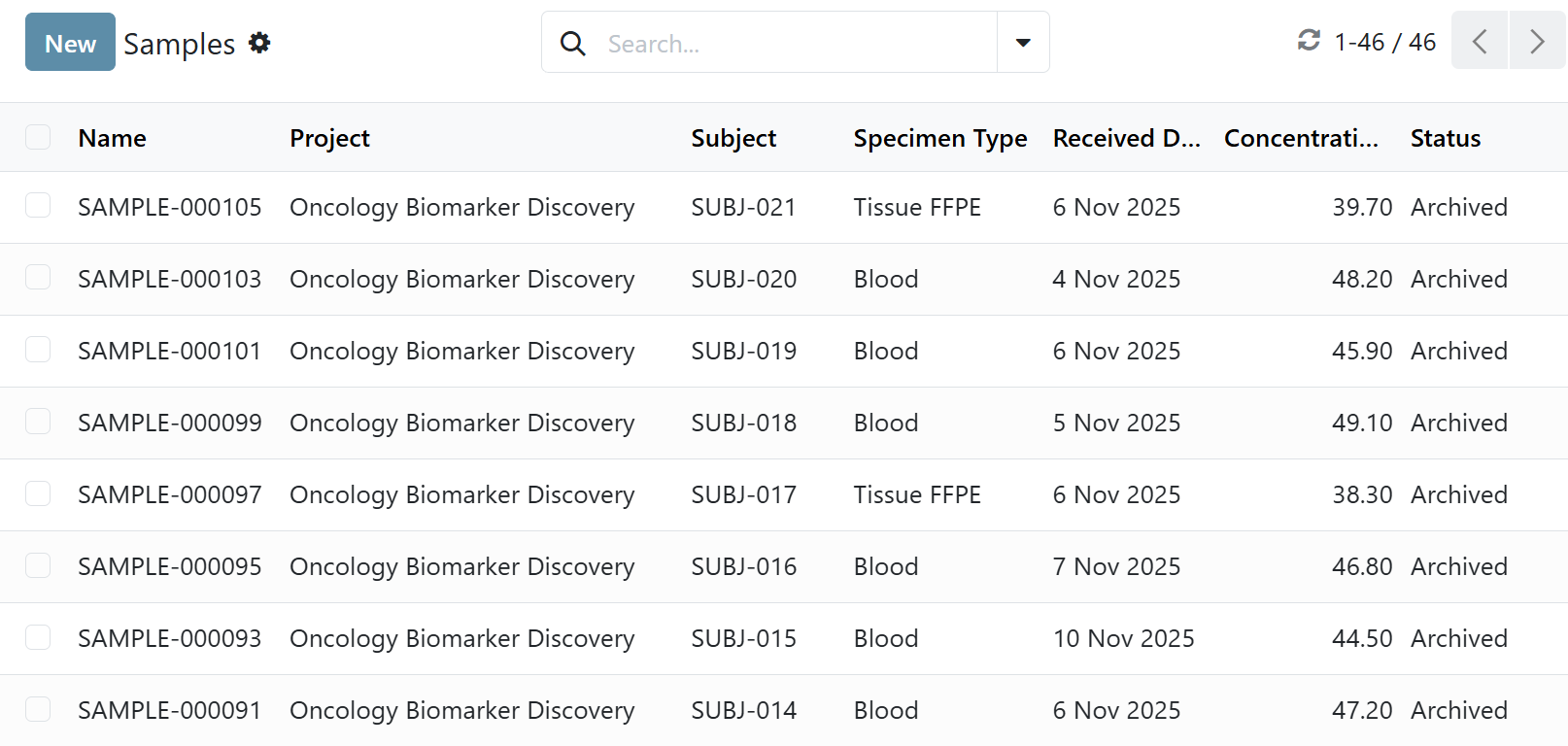
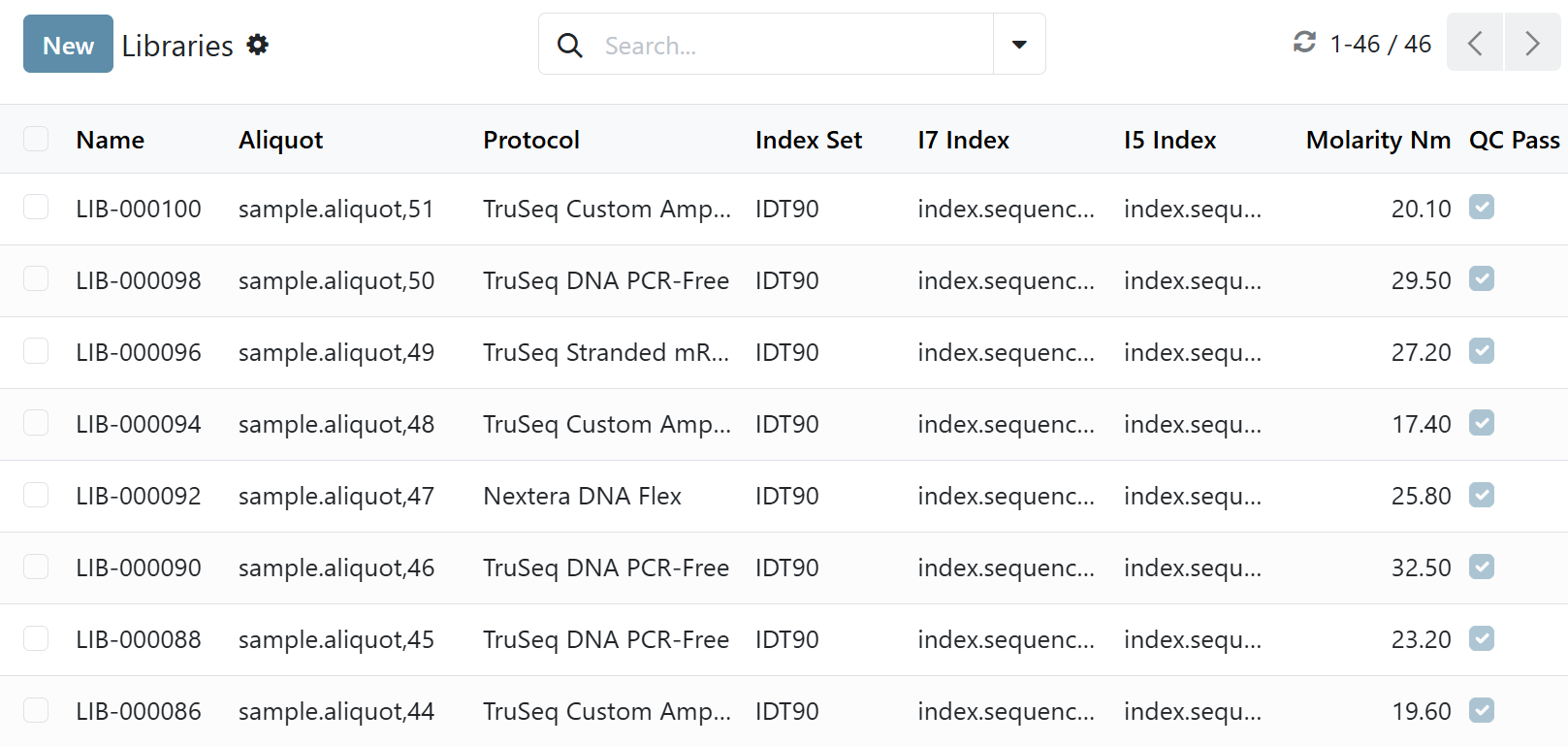
Genomics LIMS Connecting Logistics, Analytics, QC, Inventory and Statistics
Core Genomics Entities
Samples and specimen types
Amplification batches
DNA/RNA extractions
Library preparations
PCR and qPCR assays
Library QC measurements
Index assignments
Plate layouts
Primer and probe lots
Ct results
Pooled libraries
Pool quantification
Sequencing runs
Lane assignments
Control results
Read structures
Demultiplexed samples
Fastq file tracking
Analysis pipeline runs
Quality control checkpoints
Projects and studies
Customer deliverables
Reagent lot tracking
Index sets and barcodes
Sequencing instruments
Storage locations
Integration
Illumina NovaSeq systems
Illumina NextSeq platforms
Illumina MiSeq instruments
Oxford Nanopore MinION
Oxford Nanopore PromethION
qPCR quantification systems
Real-time PCR instruments
Nucleic acid extraction systems
Liquid handlers
Bioanalyzer integration
TapeStation data import
Fragment Analyzer results
Qubit fluorometer measurements
Plate readers
Thermocyclers
LIMS-to-bioinformatics pipelines
Sample sheet generation
Automated demux CSV import
BaseSpace integration
Custom API connections
Laboratory automation systems
Barcode scanners
Compliance
Support for ISO/IEC 17025-aligned workflows
Complete audit trails
Chain of custody tracking
Sample lineage tracking
Version control
User access controls
Role-based permissions
Electronic signatures
Instrument calibration records
Equipment maintenance logs
Method validation documentation
Standard operating procedures
Quality management integration
Nonconformity tracking
Corrective action records
Regulatory reporting
Data integrity controls
Batch record management
Reagent lot release records
Document management
Training records
Method verification records
These cover what most sequencing and molecular labs configure. Anything specific to your assays, platforms or accreditation scope gets added during setup.
Genomics LIMS Software Features for Next-Generation Sequencing Labs
Capabilities built for how sequencing and molecular labs actually run, from catching index collisions before a pool is made to holding a result back when a control fails.
Genomics LIMS Solution Built on Odoo
LIMS.Science runs entirely on Odoo, a powerful ERP system trusted by over 15 million users across the world.
We've adapted it specifically for next-generation sequencing laboratories. You can manage everything from sample tracking and library preparation to sequencing runs, demultiplexing, and compliance in one place.
- Configure sequencing protocols, index sets, and QC thresholds for your specific NGS workflows
- Track samples through library prep, pooling, sequencing runs, and demultiplexing with complete traceability
- Approve or reject results with attributable, time-stamped change histories covering configured QC checks, run review and quality flags
- Assign user access by role so lab techs, bioinformaticians, QC managers, and clients see only what they need
- Centralise multi-site operations across research facilities, molecular testing labs, or sequencing service providers in one dashboard
- Access anywhere via the cloud or install on your own secure server
Need Help?
FAQs
What is a LIMS in genomics?
A genomics LIMS tracks the path a sample takes through a sequencing lab. Receipt and accessioning, DNA or RNA extraction, library preparation, index assignment, pooling, the run itself, then demultiplexing and delivery of FASTQ files. It holds the QC measurement taken at each handoff and keeps the audit trail accreditation bodies ask to see. Labs without one usually run this across spreadsheets and sample sheets that drift out of step with what the instrument actually did.
How does this LIMS support ISO/IEC 17025 for sequencing laboratories?
The genomics LIMS can be configured to support requirements relevant to the laboratory’s ISO/IEC 17025 scope. Attributable, time-stamped change histories, electronic approval or signature controls, instrument records, method-validation documentation and controlled records are specified and validated for the intended use.
Can the system handle multiple sequencing platforms and instruments?
Yes. We support integration with Illumina platforms (NovaSeq, NextSeq, MiSeq), Oxford Nanopore systems, and common QC instruments including Bioanalyzer, TapeStation, qPCR systems, and Qubit. The system can be configured for your specific instrument fleet and workflow requirements.
How does the LIMS prevent index clashes in multiplexed runs?
The system validates index compatibility when creating pooled libraries, checking for potential clashes based on your index sets and sequencing chemistry. You can maintain comprehensive libraries of dual-indexed combinations with automatic validation to protect expensive sequencing runs from index collision failures.
Can we customise workflows for our specific sequencing protocols?
Yes. Library-preparation protocols, QC checkpoints, sequencing-run parameters, roles and approval gates are configured around the laboratory’s authorised process. Changes can be version-controlled and effective-dated during implementation and ongoing change control.
What sample types and sequencing applications are supported?
Whole genome, exome, targeted panels, amplicon, RNA-seq and metagenomics, with sample types from blood and tissue through to swabs, soil and food matrices. Molecular work that stops short of sequencing is handled the same way. qPCR and endpoint PCR run as their own workflows, with 96 and 384 well plate layouts, Ct capture per well, and extraction batches tracked back to the kit lot used. Assay definitions covering targets, cycling parameters and acceptance criteria are configured once and applied to every run after that.
Is there a free genomics LIMS, and what does yours cost?
Free and open source options exist, and for a small lab tracking a handful of samples they can be enough. Where they usually run out is sequencer integration, index clash validation, reagent lot traceability, and the audit records an assessor expects to see. Labs tend to start looking again at the point accreditation becomes real.
We price well below the enterprise platforms most genomics labs get quoted, and cost scales with your team and lab size rather than with test volume. See the pricing page for current figures.
How does demultiplexing data get into the LIMS?
You can import demultiplexing results via CSV upload or integrate directly with your bioinformatics pipeline. The system links demultiplexed samples back to their source libraries and sequencing runs, maintaining complete traceability from sample receipt to final data delivery.
Start Managing Your Sequencing and Molecular Workflows in One System
Review a LIMS configured for your NGS workflow, from accessioning and extraction through library preparation, pooling, sequencing, QC review and data delivery.